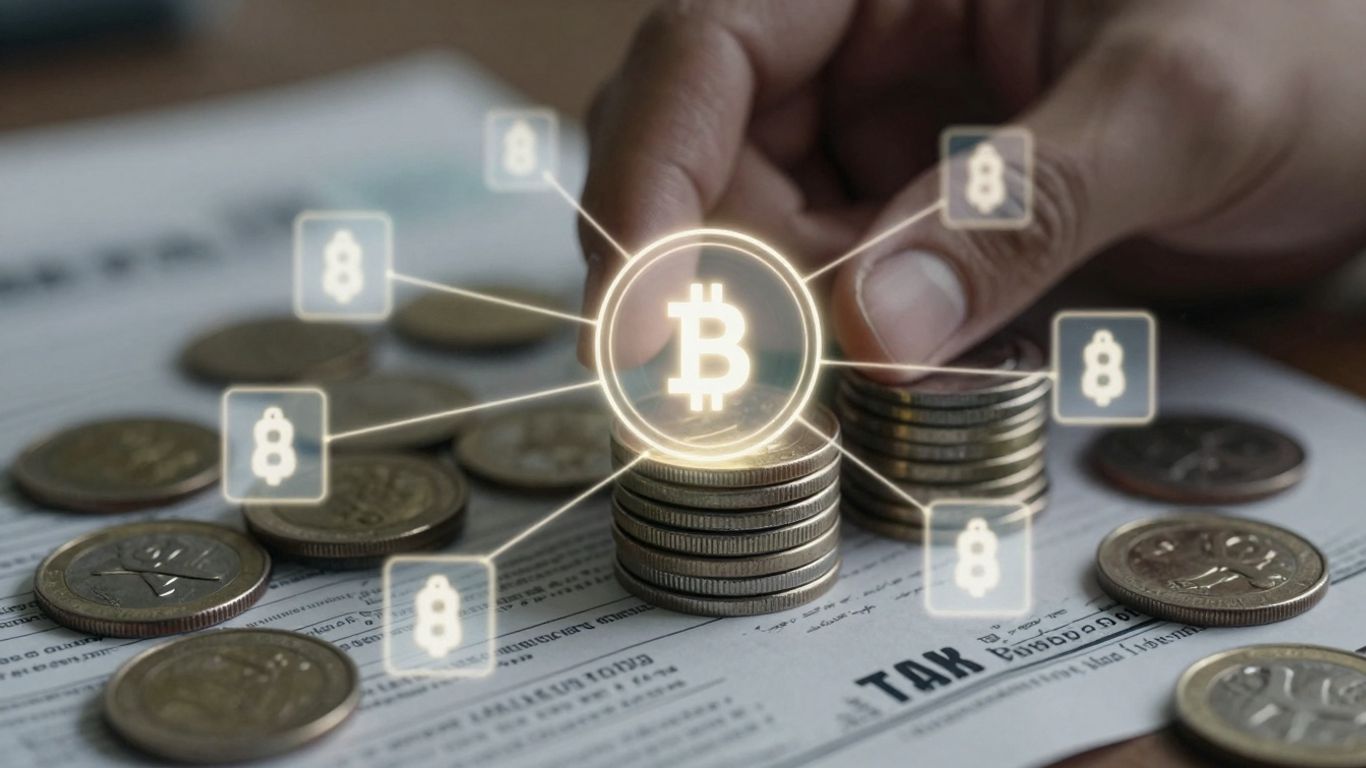
Tax lien investing used to be a bit of a headache, right? Lots of paperwork, middlemen taking cuts, and sometimes you weren't even sure who really owned what. It felt like a closed club, and getting clear information was tough. But things are changing. Blockchain technology is starting to clean up this whole process, making it more open and easier for more people to get involved. It's like bringing an old system into the digital age, and that's what we'll explore.
Key Takeaways
- Blockchain makes tax lien deals more open and trustworthy by keeping a clear, unchangeable record of everything that happens.
- It helps investors check property details and ownership faster and more reliably, cutting down on fraud.
- New ways to invest, like splitting ownership into digital pieces, mean more people can join in, even with less money.
- Online marketplaces built on blockchain connect buyers and sellers directly, cutting out extra fees and making deals global.
- Smart contracts can automatically handle many parts of a tax lien deal, like payments and agreements, reducing mistakes and saving time.
Revolutionizing Tax Lien Investing with Blockchain Technology
Tax lien investing has always been a bit of a maze, right? You've got layers of paperwork, a bunch of intermediaries taking their cut, and sometimes, you're not even sure who really owns what. It's a process that, frankly, hasn't changed much in decades. But now, blockchain is stepping in, and it's shaking things up in a big way. Think of it as a digital ledger that everyone can see but no one can mess with. This technology is making the whole tax lien world more straightforward and, dare I say, less stressful.
Enhancing Transparency and Trust in Transactions
One of the biggest headaches in tax lien investing is just knowing what's going on. Deals can involve so many people – lawyers, brokers, notaries – and each one adds a fee and a layer of complexity. Plus, keeping track of who owns what, especially across different jurisdictions, can be a real pain. Records might be scattered across city halls or buried in old paper files, making them hard to access and even harder to trust. Blockchain changes this by creating a single, unchangeable record of every transaction. Every step, from the initial lien to its eventual sale or redemption, is logged permanently. This means you can actually see the history of a property and its associated liens clearly, which builds a lot more confidence when you're putting your money down.
Streamlining Due Diligence and Record Management
Remember those days of digging through dusty filing cabinets or waiting for official documents to be mailed? Blockchain offers a much cleaner way. Property records, lien information, and ownership histories can all be digitized and stored on the blockchain. This makes them instantly accessible and verifiable. Instead of spending weeks on due diligence, you can potentially get the information you need in hours. This digital approach also means records are far less likely to be lost, damaged, or altered, which is a huge win for accuracy and security.
Reducing Middlemen Fees and Operational Costs
All those intermediaries in traditional tax lien investing add up. Lawyers, title companies, brokers – they all charge for their services, and those costs can really eat into your potential profits, especially on larger deals. Blockchain has the potential to cut out many of these middlemen. By using smart contracts and a transparent ledger, many of the verification and administrative tasks can be automated. This not only speeds up the process but also significantly lowers the transaction costs. It makes the whole investment more efficient and potentially more profitable for everyone involved.
The Impact of Blockchain on Property Ownership and Verification
Immutable Records for Secure Property Titles
Think about all the paperwork involved in buying or selling a house. It’s a lot, right? Titles, deeds, transaction histories – they’re often stored on paper or in various digital systems that aren't always connected. This can lead to confusion, errors, and unfortunately, fraud. Blockchain changes this by creating a permanent, unchangeable record of property ownership. Once a property's details and ownership history are added to the blockchain, they can't be altered or deleted. This makes it incredibly difficult for anyone to fake a title or claim ownership of a property they don't own. It’s like having a digital notary that’s always on duty and never makes mistakes.
Accelerating Verification Processes
Traditionally, verifying property ownership can take weeks. You might have to track down old documents, check with multiple government offices, and wait for lawyers to confirm everything. With blockchain, this process gets a serious speed boost. All the necessary information is stored securely and can be accessed almost instantly by authorized parties. This means faster closings, less waiting around, and fewer headaches for everyone involved. Imagine cutting down verification time from weeks to just a few hours – that’s the kind of change we’re talking about.
Combating Fraud and Double-Selling
Fraud is a big problem in real estate, and tax lien investing isn't immune. Scammers might try to sell a property they don't own, or hide existing liens to trick buyers. Blockchain’s transparent and tamper-proof nature makes these kinds of schemes much harder to pull off. Because every transaction and ownership change is recorded permanently, it’s easy to see the true history of a property. This helps prevent issues like double-selling, where a property is sold to multiple people, and ensures that buyers are getting a clear title. It brings a level of security that was just not possible before.
Here’s a quick look at how blockchain stacks up against the old way:
The ability to have a single, verifiable source of truth for property records means that disputes over ownership or title defects can be significantly reduced. This builds confidence in the market.
Democratizing Access Through Tokenization
You know, getting into tax lien investing used to feel like a club with a really high cover charge. It wasn't just about having the cash; it was about knowing the right people and understanding a whole system that felt pretty closed off. But then, tokenization came along, and it’s really changing the game. Basically, it’s like taking a big, expensive asset, like a piece of property tied to a tax lien, and chopping it up into tiny digital pieces, or tokens, that live on a blockchain. This means you don't need a massive pile of money anymore to get a piece of the action.
Fractional Ownership for Broader Investment
This is the big one. Tokenization allows for fractional ownership. Instead of needing hundreds of thousands of dollars to buy a tax lien certificate outright, you can now buy a token representing a small percentage of that lien. Think about it – you could own 0.1% of a lien on a commercial property. This opens the door for so many more people to get involved. It’s not just for the super-rich anymore. This approach is already showing promise in other areas, with tokenization of real-world assets potentially worth trillions. It’s about spreading the wealth around, making investments more accessible to everyday folks.
Lowering Entry Barriers for New Investors
Because you can buy these small fractions, the amount of money you need to start investing is way lower. This is huge for people who have been watching the tax lien market but couldn't afford to jump in. It lowers the barrier to entry significantly. You can start small, learn the ropes, and gradually increase your investment as you get more comfortable and see returns. It’s a much more approachable way to begin building wealth in this sector.
Increasing Market Liquidity
Before tokenization, selling a tax lien investment could be a slow and complicated process. You'd have to find a buyer, go through paperwork, and it could take ages. With tokens, it’s different. These digital tokens can be traded much more easily, often on specialized platforms. This makes the market more liquid, meaning you can buy and sell your investment faster if you need to. It’s a bit like how you can quickly buy or sell stocks on an exchange; tokenized tax liens could work similarly.
The shift towards tokenization in tax lien investing is fundamentally changing who can participate and how easily they can do so. It breaks down the traditional financial walls, allowing for smaller investment amounts and quicker transactions, which is a big deal for market accessibility.
Decentralized Marketplaces for Tax Lien Investments

Remember the old days of real estate listings? You'd go to a few big websites, maybe talk to an agent, and hope the information was actually up-to-date. It felt like there were always middlemen taking a cut, making things more expensive and slower than they needed to be. Well, blockchain is shaking that up for tax lien investing too, by creating these new decentralized marketplaces.
Direct Connection Between Buyers and Sellers
These new platforms are all about cutting out the extra layers. Instead of going through a central authority or a specific broker, buyers and sellers can connect directly. Think of it like a digital town square where people can find each other to make deals. This direct interaction means less chance of miscommunication and, honestly, fewer fees that used to eat into profits. It's a big shift from how things were done, where you often had to rely on a few gatekeepers for information and access. This move towards decentralized marketplaces is already happening in the broader real estate sector, with many companies exploring blockchain solutions [c007].
Verifiable Listings Through Smart Contracts
One of the coolest parts is how listings are handled. Using smart contracts, all the details about a tax lien – like the property involved, the amount owed, the interest rate, and any specific terms – are put onto the blockchain. This makes everything verifiable. You can see the exact terms, confirm the property's status, and know that the listing hasn't been messed with. It builds a lot more confidence when you're looking to invest. No more guessing if the information you're seeing is accurate or if someone is trying to pull a fast one.
Global Accessibility for Cross-Border Deals
This is a game-changer, especially for tax lien investing, which can sometimes be a bit localized. Decentralized marketplaces, by their nature, aren't tied to one physical location. This means someone in one country can easily look at and invest in a tax lien in another country, without a ton of hassle. You don't have to worry as much about currency conversions or different legal systems getting in the way, because the blockchain handles a lot of that verification and transparency. It opens up the market to a much wider pool of investors and opportunities, making it easier to diversify your investments across different regions.
The old way of doing things often meant relying on paper records and a chain of intermediaries. This created delays, added costs, and sometimes, a lack of clarity. Blockchain-based marketplaces offer a cleaner, more direct path for investors.
Here's a quick look at what these marketplaces offer:
- Direct Access: Connect with sellers without needing a traditional broker.
- Verified Data: All listing details are secured and verifiable on the blockchain.
- Reduced Costs: Fewer middlemen mean lower transaction fees.
- Wider Reach: Invest in opportunities globally, not just locally.
- Faster Transactions: Streamlined processes speed up deal closures.
Smart Contracts: Automating Tax Lien Processes
You know, buying or selling property, especially across borders, can feel like a real headache. There's so much paperwork, so many people involved, and it just takes forever. That's where smart contracts come in, and honestly, they're a game-changer for tax lien investing.
Automating Agreement Execution
Think of a smart contract as a digital agreement that lives on the blockchain. It's programmed to automatically carry out the terms of a deal once certain conditions are met. No more waiting around for someone to sign a piece of paper or manually check if a payment went through. For tax liens, this means things like automatically verifying that a buyer has the funds, or that a seller has the right to transfer the lien. It cuts out a ton of back-and-forth.
- Instant verification of buyer eligibility and funds.
- Automatic execution of lien transfer upon successful payment.
- Digital record-keeping that's tamper-proof.
Streamlining Payment and Settlement
This is a big one. Traditional payment and settlement processes in real estate can be slow and prone to errors. Smart contracts can handle this much more efficiently. Once the terms of the tax lien sale are met – say, the winning bid is confirmed and the buyer's payment is verified – the smart contract can automatically trigger the transfer of the lien rights and the release of funds to the seller or the relevant authority. This speeds things up considerably and reduces the risk of mistakes.
The automation provided by smart contracts means that once conditions are met, actions like fund disbursement and ownership transfer happen automatically. This removes the need for manual oversight and significantly cuts down on the time it takes to finalize a deal.
Reducing Manual Intervention and Errors
Let's be real, manual processes are where most mistakes happen. Someone misses a deadline, misplaces a document, or just makes a typo. With smart contracts, these manual steps are largely removed. The contract executes based on pre-defined rules, making the process more reliable and predictable. This not only saves time but also reduces the potential for costly disputes that can arise from human error. It makes the whole system feel a lot more secure and straightforward for everyone involved.
The Future of Blockchain-Based Tax Lien Investing
So, where does all this blockchain stuff for tax liens go from here? It’s not just a passing trend, that’s for sure. We’re seeing governments and big companies start to pay attention, and that usually means something is up. Think about it: Sweden and Georgia are already messing around with blockchain for land records, and they say it cuts down verification time to just a few hours. That’s a huge deal when you’re talking about property.
Projected Market Growth and Adoption
The numbers are pretty wild. Some reports suggest the blockchain real estate market could jump from around $20 billion now to nearly $250 billion by 2029. That’s a massive jump. And it’s not just about growth; it’s about fixing problems. We’re talking about potentially saving billions each year from fraud. It’s like finally getting a solid lock for something that’s been wide open for too long.
Here’s a quick look at what’s happening:
- 15% of real estate companies are already accepting crypto payments.
- Another 20% are actively testing blockchain integrations or building their own platforms.
- 86% of commercial real estate CEOs think blockchain will totally change the market soon.
Addressing Challenges in Implementation
Now, it’s not all smooth sailing. There are definitely some bumps in the road. For starters, a lot of places don’t officially recognize ownership when it’s all done through tokens. Plus, the whole idea of privacy on a public blockchain can clash with existing laws. And let’s not forget about older computer systems that just can’t talk to this new blockchain tech. It’s like trying to plug a modern phone into an old rotary dial.
The biggest hurdle might just be getting everyone on the same page. We’re talking about changing how legal systems, financial departments, and compliance teams work. It requires training and a willingness to adapt.
Paving the Way for Innovation
Despite the challenges, the momentum is building. We’re seeing companies create platforms where you can buy tiny pieces of property, almost like trading stocks. Others are making it easier to do deals across borders, cutting down what used to take months to just a couple of weeks. The goal is to make investing in tax liens, and real estate in general, more open, faster, and way less of a headache. Blockchain is set to make tax lien investing more accessible and efficient for everyone involved. It’s about taking a complex, often opaque process and making it clear and simple, using technology that’s built for trust and speed.
Wrapping It Up
So, it looks like blockchain is really shaking things up in the world of tax lien investing. We've talked about how it can cut down on all those annoying middlemen and their fees, making things way cheaper. Plus, having clear, tamper-proof records means fewer headaches and less chance of getting ripped off. It’s not just about making things simpler, though. Blockchain opens the door for more people to get involved, even with smaller amounts of money, thanks to things like tokenization. While it's still early days and there are hurdles to jump, the trend is clear: blockchain is making tax lien investing more open, secure, and maybe even a little less complicated for everyone involved.
Frequently Asked Questions
What is tax lien investing, and why is it complicated?
Tax lien investing is when you buy the right to collect unpaid property taxes from a homeowner. If they don't pay you back with interest, you might get the property. It's complicated because it involves a lot of paperwork, middlemen like lawyers and brokers who charge fees, and sometimes it's hard to be sure who really owns the property.
How does blockchain make tax lien investing more transparent?
Blockchain is like a super secure digital notebook that everyone can see but no one can erase or change. Every step of a tax lien deal is recorded there. This means you can easily see who is involved and what's happening, making it much harder for anyone to hide things or cheat.
Can blockchain help verify property ownership more easily?
Yes! Blockchain creates a permanent, unchangeable record of property ownership. Instead of searching through dusty old papers, you can quickly check a digital record that's almost impossible to fake. This helps prevent fraud and makes sure you know who really owns the property.
What is tokenization in real estate, and how does it help investors?
Tokenization means turning a piece of property into digital 'tokens' or shares. Imagine owning just a small part of a big building. This lets more people invest in real estate, even if they don't have a lot of money, because they can buy these smaller tokens instead of the whole property.
How do smart contracts work in tax lien investing?
Smart contracts are like automatic agreements written in computer code on the blockchain. They can automatically handle things like payments or transferring ownership when certain conditions are met. This means less manual work, fewer mistakes, and deals can happen much faster.
Will blockchain replace all the people involved in tax lien investing?
Blockchain aims to make things more efficient and cut out unnecessary middlemen, which can lower costs. However, some human expertise might still be needed for complex legal advice or specific situations. The goal is to make the process smoother and more affordable for everyone involved.