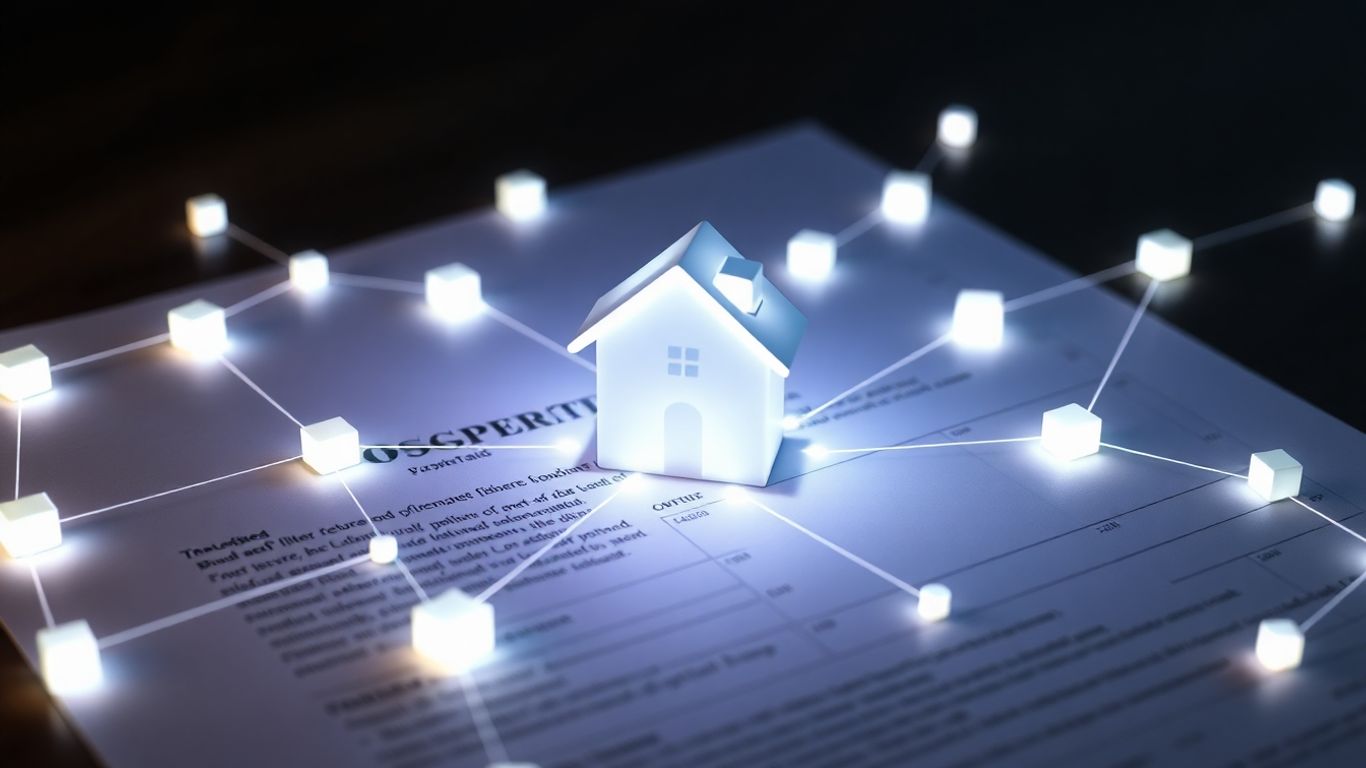
Buying or selling a house can feel like a total headache, right? All that paperwork, waiting around, and worrying if everything is legit. Well, it turns out there's a new technology that's starting to make things a lot smoother and safer: blockchain. You might have heard of it with cryptocurrencies, but it's also quietly changing how we handle something as important as property deeds. This technology promises to make owning and transferring property way more secure and less of a hassle. Let's see how blockchain-based property deeds are paving the way for a more trustworthy real estate future.
Key Takeaways
- Blockchain creates unchangeable digital records for property ownership, making them super secure and preventing fraud.
- Smart contracts on the blockchain can automate property sales, speeding things up and cutting out middlemen.
- Everyone involved can see the same, up-to-date property information, which builds trust and reduces disputes.
- Using blockchain for property deeds means less risk of fake documents and illegal ownership claims.
- This technology can simplify the complex process of transferring property titles, making it more accessible for everyone.
Securing Property Records with Blockchain Technology

Property records have always been a bit of a headache, right? Think about all the paperwork, the potential for mistakes, and the general worry that something could go wrong. Well, blockchain is stepping in to fix a lot of that. It’s basically a super secure digital ledger that keeps track of everything.
Immutable Records for Authenticity
One of the biggest wins with blockchain is that once a record is put on it, it’s pretty much there forever. You can’t just go in and change it later, which is a big deal for something as important as property ownership. This makes the records super trustworthy.
- Records can't be altered or deleted.
- Creates a clear history of ownership.
- Builds confidence in the accuracy of the data.
Reducing Fraudulent Transactions
Because the records are so hard to mess with, it makes it way tougher for anyone to try and pull a fast one. If someone tries to fake a deed or claim ownership they don't have, the blockchain record would show the truth. This stops a lot of shady dealings before they even start.
The digital nature of blockchain means that every transaction leaves a unique, unchangeable mark. This makes it incredibly difficult for unauthorized changes to go unnoticed, providing a robust defense against fraudulent activities in property dealings.
Enhanced Privacy Through Encryption
Now, you might think a public ledger means everyone sees everything, but that's not quite how it works for property. Sensitive details about owners and transactions can be kept private using encryption. Only people who are supposed to see that information, like the buyer, seller, or relevant authorities, can actually access it. It’s like having a secure vault for your property’s history.
Revolutionizing Property Transactions
The way we buy and sell property has always been a bit of a headache, right? It's a process loaded with paperwork, endless waiting, and a whole cast of characters like lawyers and brokers. This whole system can feel like it's designed to be complicated. But what if there was a way to cut through all that red tape and make things move faster and smoother? That's where blockchain comes in, and it's really changing the game for property deals.
Streamlining Processes with Smart Contracts
Think of smart contracts as super-powered digital agreements. They live on the blockchain and automatically execute when certain conditions are met. This means a lot of the manual steps we're used to, like verifying documents or releasing funds, can happen on their own. It’s like having a tireless assistant who handles all the checks and balances without needing a coffee break. This automation cuts down on errors and speeds things up considerably. For instance, when a sale is finalized, a smart contract can automatically trigger the transfer of funds and update ownership records simultaneously. This level of automation is a big step up from the old ways of doing things, making the entire transaction much more efficient. You can find out more about how blockchain is transforming the real estate sector by exploring its applications.
Real-Time Updates and Accessibility
One of the biggest frustrations with property transactions is the lag time. Information can take days or even weeks to get updated across different systems. Blockchain changes that. Because the ledger is distributed and constantly updated, everyone involved can see the latest status of a property in real-time. This means no more guessing games or worrying about outdated information. Buyers, sellers, lenders, and government bodies can all access the same, up-to-date record. This transparency helps build trust and reduces the chances of disputes arising from conflicting information. It’s like having a live scoreboard for your property deal.
Faster Title Transfers
Getting a property title transferred can be a lengthy ordeal. It involves multiple checks, approvals, and a lot of paperwork. Blockchain, especially with smart contracts, can significantly speed this up. By digitizing titles and using automated verification processes, the time it takes to transfer ownership can be slashed from weeks to mere minutes. This isn't just about convenience; it means less risk of deals falling through due to delays and lower administrative costs for everyone. The process becomes more predictable and reliable.
The traditional property transaction process is often bogged down by manual checks, paper-based records, and multiple intermediaries. This leads to delays, increased costs, and a higher risk of errors or fraud. Blockchain technology offers a digital, automated, and transparent alternative that can simplify and accelerate these complex procedures.
Here’s a quick look at how the process speeds up:
- Verification: Smart contracts automatically check ownership, liens, and compliance requirements.
- Execution: Once conditions are met, the contract automatically executes the transfer of ownership.
- Recording: The updated ownership is immutably recorded on the blockchain instantly.
- Notification: All relevant parties are notified of the completed transfer in real-time.
Preventing Fraud in Real Estate
Real estate fraud is a persistent headache, isn't it? We've all heard stories, or maybe even experienced them, of forged documents, illegal sales, and just general shady dealings that leave people out of pocket and deeply frustrated. The old ways of doing things, relying on paper records and a bunch of intermediaries, just aren't cutting it anymore. They create too many openings for bad actors to exploit.
Immutable Digital Fingerprints
Blockchain technology offers a really solid way to fight back against this. Think of every property transaction as creating a unique digital fingerprint, a "hash." This fingerprint gets added to a growing chain of records. Because this chain is built chronologically and cryptographically linked, any attempt to go back and change a past record would immediately break the chain and be obvious to everyone. It’s like trying to sneakily edit a page in a book that everyone else has a copy of – you can't do it without being noticed. This makes historical property data incredibly trustworthy.
Distributed Ledger Security
Beyond those digital fingerprints, the way blockchain stores information is also a big deal. Instead of having all the property records in one central place – a single database that a hacker could target – blockchain spreads identical copies across many different computers, called nodes. For someone to tamper with the records, they'd have to somehow change the majority of these copies all at the same time. That's practically impossible to pull off. This distributed nature means there's no single point of failure, making the whole system much more robust against attacks and unauthorized changes. It’s a much safer way to store important information, like details for commercial real estate.
Automated Compliance Checks
Another neat trick blockchain brings to the table is smart contracts. These are basically self-executing contracts with the terms of the agreement directly written into code. In real estate, they can automate a lot of the checks that currently slow things down and open the door for errors or fraud. For example, a smart contract could automatically verify if a buyer has the funds, if the seller has clear title, and if all the necessary paperwork is in order before a transaction even proceeds. This happens instantly, reducing the chances of mistakes or deliberate manipulation. It’s like having a tireless assistant who checks all the boxes, 24/7, making sure everything is above board.
The reliance on paper documents and manual processes in traditional land registries creates significant vulnerabilities. These systems are prone to human error, physical damage, and outright tampering, leading to disputes and financial losses. Blockchain's digital, distributed, and immutable nature directly addresses these weaknesses, building a foundation of trust and security for property ownership.
The Mechanics of Blockchain Land Registries

So, how does this whole blockchain thing actually work when it comes to land records? It's not as complicated as it sounds, really. Think of it like a super secure, shared digital notebook that everyone involved can see, but nobody can erase or scribble over. It’s all about making the process of buying, selling, and owning property way more straightforward and trustworthy.
User Onboarding and Digital Identity
First off, you need to get yourself set up on the platform. This usually means signing up with some basic personal info and a government-issued ID. This information gets turned into a unique digital ID, all encrypted and stored on the blockchain. This makes sure only real people are participating and stops anyone from pretending to be someone else. It’s like getting your official digital passport for property dealings.
Property Listing and Verification
Once you're in, sellers can list their properties. They'll upload all the important stuff – photos, ownership papers, where it is, you name it. This information gets a timestamp and is permanently recorded on the blockchain. Anyone on the platform can see these listings, which helps prevent someone from trying to sell the same piece of land twice or faking ownership details. It’s all out in the open, but in a secure way.
Smart Contract Execution for Ownership Transfer
This is where the magic happens for the actual transfer. Smart contracts are basically automated agreements. Once a buyer and seller agree on terms, and all the conditions are met – like payment going through and any necessary checks being done – the smart contract automatically executes. This means ownership is transferred and recorded on the blockchain instantly. No more waiting weeks for paperwork to shuffle around. It’s all done digitally, securely, and much, much faster.
Ensuring Compliance and Trust
Automated Regulatory Adherence
Dealing with property can get complicated fast, with rules changing and needing careful attention. Blockchain helps by building compliance right into the system. Think of it like having a digital assistant that automatically checks if everything follows the rules before a transaction can even finish. This means fewer mistakes and less worry about accidentally breaking a law. Smart contracts can be programmed to follow specific legal requirements, making sure that every step of a property deal aligns with current regulations. This automation is a big deal because it cuts down on the manual work and the chance of human error, which is pretty common when you're dealing with lots of paperwork.
Audit-Ready Transaction Logs
One of the best parts about using blockchain for property records is that it creates a permanent history of everything that happens. Every time a property changes hands, a payment is made, or any other action is taken, it's recorded on the ledger. This record can't be changed or deleted, making it super reliable. For auditors or government agencies, this means they can easily look back and see exactly what happened, when it happened, and who was involved. It’s like having a crystal-clear timeline of a property’s history.
Here’s a quick look at what makes these logs so useful:
- Immutability: Once a record is added, it stays there forever, untouched.
- Transparency: Authorized parties can see the transaction history, making it easy to follow.
- Timestamping: Every entry is marked with a precise time, showing the order of events.
- Decentralization: The record isn't stored in just one place, so it's hard to tamper with.
This level of verifiable history simplifies audits and builds confidence that the property records are accurate and haven't been messed with. It’s a straightforward way to prove that everything was done by the book.
Global Standardization Potential
Right now, property laws and how records are kept can be really different from one place to another. It makes buying or selling property across borders a headache. Blockchain has the potential to change that. Because the technology works the same way everywhere, it could help create a common set of rules and standards for property records worldwide. This would make international property deals much smoother and more predictable. Imagine a world where you don't have to figure out a whole new system every time you deal with property in a different country. That's the kind of simplification blockchain could bring.
Benefits for Stakeholders
When we talk about blockchain in property, it’s not just about the tech itself, but who actually benefits from it. And honestly, a lot of people stand to gain.
Title Insurance Company Advantages
For title insurance companies, this shift is pretty significant. Blockchain offers a way to drastically cut down on the manual work involved in verifying titles. Think about it: instead of digging through mountains of paper records, they can access a clear, unchangeable digital history of a property. This means fewer errors, faster processing times, and a reduced risk of insuring faulty titles. It’s like having a super-reliable assistant who never makes mistakes. This technology can also help them identify potential risks much earlier in the process, making their underwriting more accurate. It’s a big deal for streamlining operations and building more trust in the system.
Government Agency Oversight
Government agencies, like land registries, get a serious upgrade too. Managing property records has always been a headache – paper gets lost, records get outdated, and fraud is a constant worry. Blockchain provides a single, secure source of truth. This makes oversight much simpler and more effective. They can track ownership changes, verify transactions, and maintain accurate public records with far less effort and a lot more confidence. This also means they can respond faster to legal requests and audits because the data is readily available and verifiable. It’s about making sure the public record is accurate and accessible for everyone.
Buyer and Seller Confidence
And for the folks actually buying and selling property? This is where things get really interesting. The whole process can become much more transparent and less stressful. Buyers can be more certain they’re getting a clean title, and sellers can move through the sale process quicker. Smart contracts can automate many of the steps, reducing the chances of deals falling through due to paperwork or delays. This increased certainty and speed can really boost confidence in real estate transactions, making it a less daunting experience for everyone involved. It’s about making property ownership more accessible and secure for the average person, which is a huge step forward for real estate dealings.
The move towards blockchain in property registries isn't just about adopting new technology; it's about fundamentally rethinking how we establish and maintain trust in property ownership. It’s about creating a system that is inherently more secure, transparent, and efficient for everyone involved, from the largest institutions to individual homeowners.
Digital Identity Verification on the Blockchain
Secure and Encrypted Credentials
Okay, so imagine you're buying a house. You've got to prove who you are, right? Usually, that means digging up old utility bills, showing your driver's license, maybe even a passport. It's a whole song and dance, and honestly, it feels a bit like sending your personal info out into the void. Blockchain changes that game. It creates a digital ID for you that's super secure and encrypted. Think of it like a digital vault for your identity documents. Instead of handing over copies of everything, you get a verified digital credential. This credential is cryptographically sealed, meaning it's incredibly hard to fake or tamper with. It's like having a digital notary public built right into your identity.
Streamlined Client Onboarding
This whole process of proving who you are can really slow things down when you're trying to buy or sell property. With traditional methods, it can take days, sometimes weeks, to get all the paperwork sorted and verified. Blockchain speeds this up big time. Once your digital identity is set up and verified on the blockchain, it's there. Real estate agents, lawyers, or lenders can quickly check your credentials without you having to resubmit everything every single time. It makes the whole process of getting started, or 'onboarding' as they call it, much smoother and faster. No more chasing down old documents or worrying about whether your faxed copy got lost.
User Control Over Data Access
One of the coolest parts about this is that you're actually in charge of your own information. With traditional systems, once you hand over your documents, who knows where they end up or who sees them? Blockchain lets you control who gets to look at your verified identity and for what purpose. You can grant temporary access to specific parties for a specific transaction. It’s like giving someone a key to a single room in your house, rather than handing over the keys to the whole building. This level of control is a big deal for privacy and security, giving you peace of mind that your sensitive data isn't just floating around out there.
The old way of verifying identities felt like shouting your personal details into a crowded room and hoping the right person heard you. Blockchain offers a private, secure whisper to only those who need to know, and you decide who gets to listen.
The Future is Here: Secure Property Deeds on the Blockchain
So, what does all this mean for the future of property deeds? Basically, blockchain is stepping in to fix a lot of the old headaches we've dealt with for years. Think fewer chances of fraud, way faster paperwork, and a clearer picture of who owns what. It’s not perfect yet, and getting everyone on board will take time, but the benefits are pretty clear. We're looking at a system that's more secure, more open, and honestly, just makes more sense. It feels like we're moving towards a time where owning property is a lot less complicated and a lot more trustworthy, all thanks to this digital ledger technology.
Frequently Asked Questions
What is blockchain and how does it help with property records?
Imagine a digital notebook that's shared with many people. Once something is written in this notebook, it's almost impossible to erase or change. Blockchain is like that shared, super-secure notebook for property records. It makes sure that information about who owns a house or land is stored safely and can't be faked, which helps prevent problems.
Can blockchain stop people from cheating when buying or selling houses?
Yes, it can! Because blockchain records are permanent and can't be easily changed, it makes it very hard for someone to pretend they own a property they don't, or to try and sell a property that's already been sold. It's like having a digital fingerprint for every property deal that proves it's real.
How does blockchain make buying and selling property faster?
Normally, buying a house involves a lot of paperwork and waiting for different people to check things. Blockchain uses something called 'smart contracts,' which are like automatic agreements. These can handle many of the checks and paperwork by themselves, making the whole process much quicker, sometimes from weeks down to just a few days or even hours.
Is my personal information safe when using blockchain for property deeds?
Blockchain uses special codes, called encryption, to keep information private. Think of it like putting a secret code on your information so only people who have the right key can see it. This means your personal details are protected, and only authorized people can access them when needed.
Who benefits from using blockchain for property records?
Lots of people! Buyers and sellers can feel more confident that their deals are safe and go smoothly. Governments can keep better track of who owns what, and companies that handle things like title insurance can work more efficiently. It makes the whole system more trustworthy for everyone involved.
Does this mean we don't need lawyers or government offices anymore for property deals?
Not exactly. Blockchain makes many parts of the process much simpler and more secure, but you'll likely still need lawyers and government offices for certain legal steps and final approvals. Blockchain helps by making the records clear and trustworthy, which makes the jobs of lawyers and government workers easier and faster.