So, you know how NFTs have been a big deal for digital art and stuff? Well, it turns out they're also starting to change how we think about owning real-world things. Imagine your house, a fancy painting, or even that rare baseball card you've got, all tied to a digital token. It sounds a bit wild, but this whole idea of NFT-backed real-world assets is picking up speed, and it could totally shake up how we buy, sell, and keep track of our physical belongings.
Key Takeaways
- NFTs can make it easier to buy and sell physical items, like real estate, by making them digital.
- Using NFTs for physical assets can make ownership more secure and help prove something is real.
- NFTs are being used for things like houses, art, and collectibles to show who owns them.
- Each NFT has a unique ID and details that connect it to a specific physical item.
- NFT-backed real-world assets ownership could change how we manage and trade many different kinds of assets in the future.
Understanding NFT-Backed Real-World Assets
So, what exactly are we talking about when we say NFTs are being used for real-world assets? It's not just about digital art anymore, which is what most people think of. We're talking about using this technology to represent ownership of actual, physical things. Think of it like this: you have something tangible, like a piece of property or a collectible item, and you create a unique digital token on a blockchain that represents ownership of that specific item. This digital token is the NFT, and it acts as a verifiable certificate of ownership.
Defining Non-Fungible Tokens
First off, let's clear up what an NFT is. Unlike cryptocurrencies like Bitcoin, where one coin is exactly the same as another (they're fungible), each NFT is unique. It can't be swapped out for another identical one because it has its own distinct identity and data. This uniqueness is key when we're talking about representing something as specific as a house or a rare watch. Each NFT has a unique TokenID and metadata, which is like a digital fingerprint for the asset it represents. This makes them perfect for things that aren't interchangeable.
Bridging Digital and Physical Assets
The real magic happens when we connect these unique digital tokens to physical items. It's like creating a digital twin for a real-world object. This connection allows us to manage, trade, and prove ownership of physical assets in a way that wasn't really possible before. Imagine selling a painting without the painting actually needing to be shipped immediately; you're just transferring the ownership token. This process is a big step towards making physical assets more accessible and liquid, bringing them into the digital economy. It's a way to make tokenization of real-world assets more practical for everyday items.
The Role of Blockchain Immutability
Why is the blockchain so important here? Because it's incredibly secure and transparent. Once an NFT is created and linked to an asset, its record of ownership is stored on the blockchain. This record is practically impossible to alter or fake. It creates a permanent, unchangeable history of who has owned the asset. This immutability builds trust and significantly reduces the risk of fraud or disputes. It means you can always look back and see the complete ownership trail, which is a huge deal for valuable items.
Applications of NFT-Backed Real-World Assets
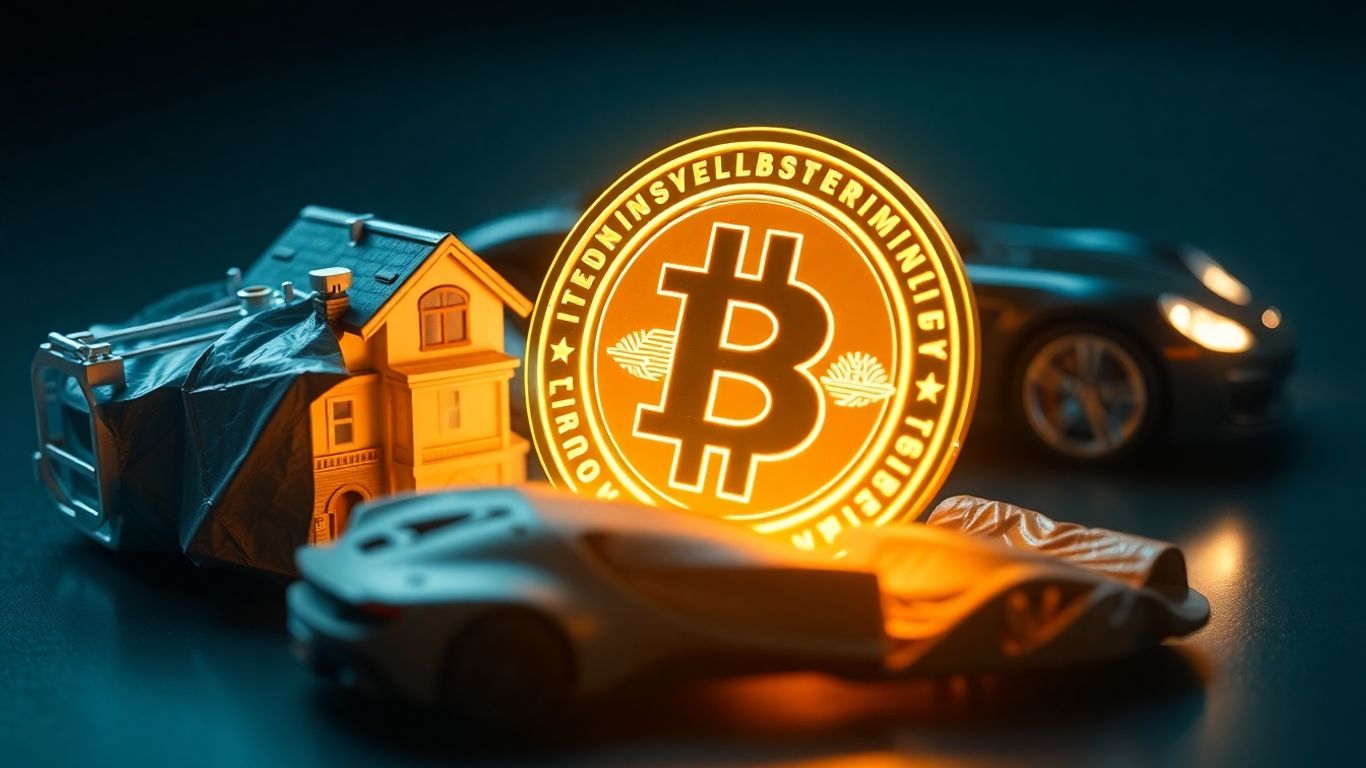
So, where are we actually seeing NFTs pop up when it comes to owning things in the physical world? It’s not just digital art anymore, that’s for sure. People are finding all sorts of creative ways to use this tech.
Tokenizing Real Estate Holdings
Buying and selling property can be a real headache, right? Lots of paperwork, long waiting times, and it's usually a huge commitment. But imagine if you could split a property into smaller pieces, like digital shares, and sell those as NFTs. This is the idea behind tokenizing real estate. It means NFTs can represent a piece of ownership in a building or land. This could make it way easier for more people to invest in property, even if they can't afford the whole thing. Plus, owners could sell off parts of their stake more quickly if they needed to. It's a big shift from the traditional way of doing things, potentially opening up investment opportunities like fractional ownership of a vacation home.
Digital Ownership of Fine Art
Collecting fine art has always felt a bit exclusive, hasn't it? The high prices and sometimes murky dealings can make it tough for everyday folks to get involved. NFTs are starting to change that. Artists can now sell their work as NFTs, and the buyer gets a clear digital record of ownership right there on the blockchain. This helps prove the art is real and makes tracking its history, or provenance, much simpler. Some artists are even using smart contracts so they get a cut every time their NFT artwork is resold, which is a neat way to keep supporting creators.
Securing Collectibles and Memorabilia
Got a rare trading card, a vintage watch, or a signed piece of sports memorabilia? Proving that it's the real deal can be tricky. NFTs offer a solid way to do this. By linking a physical collectible to a unique NFT, you create an immutable record of ownership. This makes it much harder for fakes to enter the market. Think about sending your prized Pokémon card to a trusted service that verifies it, stores it safely, and then mints an NFT representing it. You can then trade or display that NFT, knowing the physical card is secure. The NFT acts as a digital certificate of authenticity and ownership for your treasured item. It's a way to bring these valuable physical items into the digital economy.
The core idea is creating a verifiable link between a physical item and its digital representation. This digital token, the NFT, carries unique identification and descriptive data, making ownership transparent and traceable.
Mechanism of NFT-Backed Asset Ownership
So, how does this whole thing actually work? It starts with linking a real-world asset to a digital token. Think of it like getting a digital title for your car, but way cooler. This process, called asset tokenization, involves representing ownership of something tangible—like a house, a painting, or even a rare baseball card—as an NFT on a blockchain. This means that instead of dealing with paper documents and complicated legal processes, you have a digital token that proves you own the asset. It's all about making things more efficient and transparent.
Connecting Physical Assets to Digital Tokens
This is where the magic happens, really. You take something you can touch, like a piece of art or a plot of land, and you create a unique digital representation of it. This isn't just a picture; it's a token on a blockchain that's tied directly to that specific physical item. The process usually involves a few steps:
- Asset Valuation and Legal Compliance: First, the physical asset needs to be properly valued and all legal requirements met. This is super important to make sure everything is on the up and up.
- Smart Contract Creation: A smart contract is written. This is basically a piece of code on the blockchain that acts like an agreement. It defines the rules for ownership, how the NFT can be transferred, and any other conditions related to the asset.
- Token Minting: The NFT is then created, or 'minted', on a chosen blockchain. This NFT now digitally represents the ownership of the physical asset.
The Significance of TokenID and Metadata
Each NFT has two key components that make it special: a TokenID and metadata. The TokenID is like a unique serial number, a one-of-a-kind barcode that distinguishes your NFT from every other one out there. It's what makes it non-fungible, remember? The metadata is where all the juicy details live. It's the information that describes the asset, such as its address, history, condition, and any other relevant data. The cool thing about metadata is that it can be updated as the asset evolves, providing a dynamic record of its life. For example, if you have an NFT representing a piece of real estate, you could update the metadata to show that the property has been renovated or that its value has increased. This dynamic aspect makes NFTs a flexible way to track tokenized real estate and other assets as they change.
Custodianship and Verification Processes
Now, who's in charge of making sure everything is legit? That's where custodians and verification processes come in. For physical assets, a trusted custodian might hold the actual item while the NFT represents ownership. This is common for things like fine art or luxury goods. Verification processes are crucial for ensuring the authenticity of the asset and the accuracy of the metadata. This can involve third-party audits, expert appraisals, and blockchain-based verification mechanisms. It's all about building trust and confidence in the system.
The whole point is to create a verifiable link between the digital token and the physical item. This link needs to be robust and trustworthy, otherwise, the whole system falls apart. It's about making sure that when you own the NFT, you truly own the underlying asset, and everyone else can see that proof.
Unique Characteristics of NFT-Backed Asset Ownership
So, what makes owning real-world stuff with NFTs a bit different from just, well, owning it the old-fashioned way? It really comes down to a couple of key features that make these digital tokens special.
Representing Distinct Assets
Think about it: every house on a street is a little different, right? Even two identical-looking paintings might have subtle variations. NFTs are built to handle this uniqueness. Each NFT gets its own special ID, kind of like a digital fingerprint. This means no two NFTs are exactly alike, which is perfect for representing things that are one-of-a-kind. It's not like owning a dollar bill, where any dollar bill will do. With an NFT, you're getting a token that's specifically tied to that particular house, that specific painting, or that rare collectible. This makes them super useful for proving ownership of unique items.
Dynamic Metadata for Asset Evolution
Here's where it gets really interesting. An NFT isn't just a static label. The "metadata" attached to it is like a digital file cabinet holding all the important details about the asset. This can include things like:
- The asset's location or current address.
- Its purchase history and previous owners.
- Condition reports or appraisal values.
- Maintenance records or renovation details.
What's cool is that this metadata can actually change over time. If a house gets a new roof, or a car gets a fresh coat of paint, that information can be updated in the NFT's metadata. This means the NFT becomes a living, breathing record of the asset's journey, not just a one-time snapshot. It's like having a digital passport for your physical possession that keeps track of its entire life story.
The ability for metadata to be updated means an NFT can reflect an asset's ongoing changes, providing a continuously relevant digital record. This is a big step up from traditional paper documents that often become outdated.
This dynamic nature, combined with the unique identifier, really sets NFT-backed ownership apart, making it a more robust and informative way to track and manage physical assets.
Advantages of Using NFTs for Real-World Assets
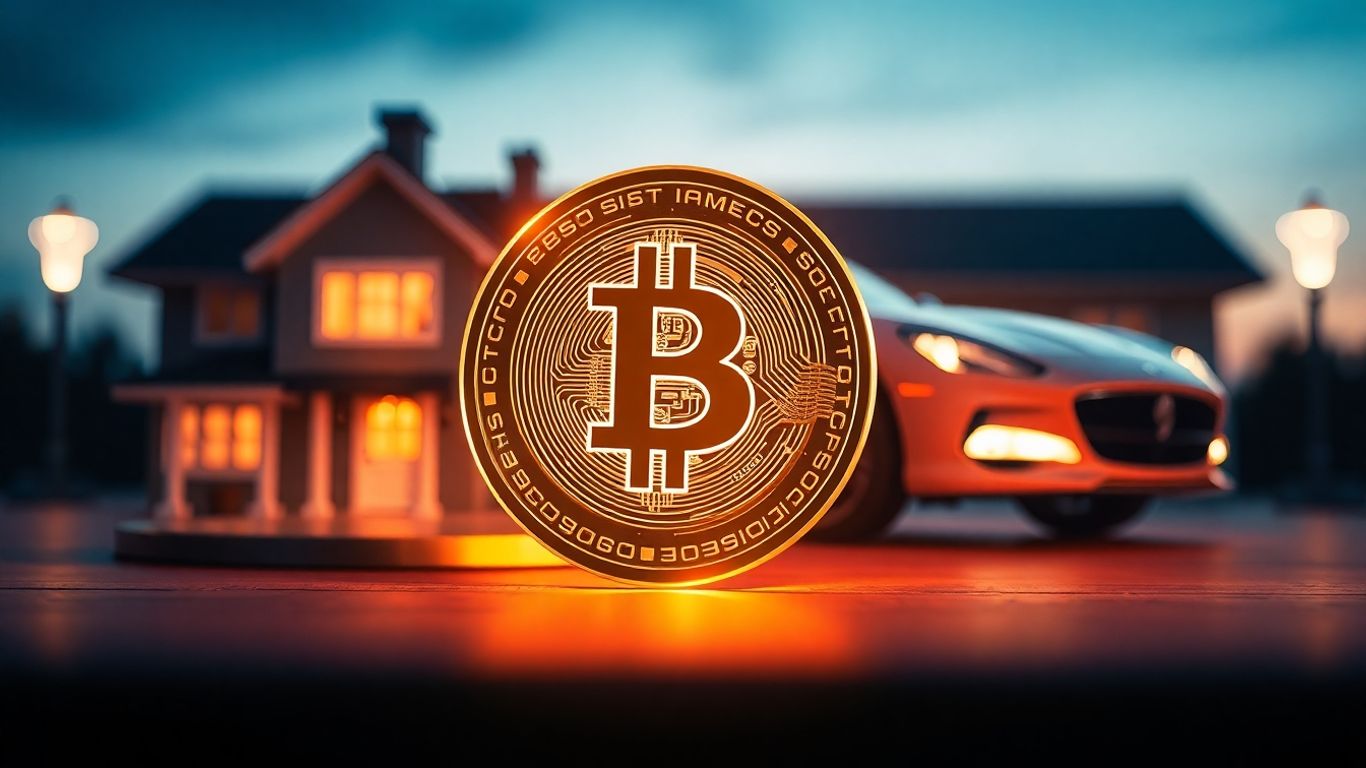
So, why bother with NFTs when you can just have a deed or a certificate? Well, it turns out there are some pretty neat benefits that make owning real-world stuff with NFTs a whole lot better. It's not just about being trendy; it's about making ownership more secure, transparent, and easier to manage.
Immutable Record of Ownership
Think about all the paperwork that usually comes with buying a house or a valuable piece of art. It's a lot, right? And sometimes, that paperwork can get lost, damaged, or even faked. With an NFT, the ownership record is stored on a blockchain. This means it's practically impossible to alter or delete. Every transaction, every change of hands, is permanently recorded for everyone to see. This creates a super clear and trustworthy history for the asset, cutting down on disputes and making it easier to prove you actually own what you say you own.
Reduced Risk of Counterfeiting
Counterfeiting is a huge problem, especially with things like fine art, luxury goods, or even rare collectibles. It's hard to tell the real deal from a fake sometimes. NFTs help solve this by acting like a unique digital fingerprint for a physical item. Because each NFT is one-of-a-kind and its authenticity is verified on the blockchain, it becomes much harder for counterfeiters to pass off fakes. If an item is represented by a legitimate NFT, you can be much more confident that you're getting the genuine article. It's like having a built-in authenticity checker.
Automated and Secure Transactions
Buying or selling real-world assets can be a slow and complicated process, often involving lawyers, banks, and lots of back-and-forth. NFTs, especially when combined with smart contracts, can speed things up a lot. Smart contracts are basically self-executing agreements written in code. They can automate things like transferring ownership once payment is confirmed, releasing funds, or even distributing rental income. This means fewer middlemen, less chance of human error, and transactions that can happen much faster and more securely. It makes trading assets feel more like sending an email than orchestrating a complex business deal.
The ability to link a physical item to a unique digital token on a blockchain offers a new level of trust. It's like having a digital passport for your physical possessions that travels with them, no matter where they go or who owns them.
The Future Landscape of NFT-Backed Asset Ownership
So, where is all this NFT-backed asset ownership headed? It's honestly pretty exciting to think about. We're moving way beyond just digital art and collectibles now. Think about things like carbon credits, which could be tokenized to track environmental impact more easily. Or maybe intellectual property rights, making it simpler to manage and license creative works. Even fractional ownership in renewable energy projects could become a thing, letting more people invest in green tech.
Expanding Beyond Traditional Assets
It's not just about art or houses anymore. The possibilities are really opening up. We could see things like car titles becoming NFTs, making ownership transfers super straightforward and verifiable. It's about taking anything that has value and making it more accessible and easier to trade using blockchain tech. We're really just scratching the surface of what's possible here.
Revolutionizing Asset Management
This whole NFT thing could seriously change how we manage our stuff. Forget about piles of paperwork and slow, clunky transfer processes. Everything could become much more streamlined and transparent. Smart contracts, the automated agreements on the blockchain, can handle things like paying out dividends from an investment, managing rental income for a property, or even processing insurance claims related to a tokenized asset. This means less hassle, fewer middlemen taking a cut, and faster deals. Plus, being able to see the entire history of an asset right there on the blockchain adds a whole new level of trust.
The shift towards NFT-based asset ownership isn't just a technological upgrade; it's a fundamental change in how we perceive and interact with ownership itself. It's about democratizing access to assets, increasing transparency, and creating a more efficient and equitable system for everyone.
Integration with Web3 Economy
NFT-backed asset ownership fits right into the growing Web3 world. As virtual spaces like the metaverse and decentralized apps become more common, NFTs will be key for showing ownership of virtual land, items in games, and other digital goods. This creates new ways for creators and users to make money from their assets and participate in decentralized markets. The convergence of NFTs and Web3 could lead to entirely new business models and economic systems. It's an exciting time to be involved in this space.
Wrapping It Up
So, what's the main idea here? NFTs are starting to change how we think about owning things, not just digital art, but actual stuff in the real world too. They can make buying and selling things like houses or collectibles way simpler. Plus, they add a layer of security, making it harder for fakes to pop up. It's pretty neat how a digital token can prove you own something physical. This whole NFT thing is still pretty new, but it looks like it's going to keep growing and cover more and more types of assets. It's definitely something to keep an eye on as things develop.
Frequently Asked Questions
What exactly is an NFT?
Think of an NFT, or Non-Fungible Token, as a super special digital certificate. Unlike regular money where one dollar is just like any other, each NFT is unique and can't be copied. This makes them perfect for proving you own something one-of-a-kind, whether it's digital art or a real-world item.
How can NFTs represent real-world things like houses or art?
When NFTs are used for real-world items, it's like creating a digital twin or a digital title for that item on a blockchain. This digital token acts as proof that you own the actual physical thing, like a painting or a piece of land. It makes owning and trading these items much simpler and more secure than using traditional paper documents.
What are the main benefits of using NFTs for physical items?
Using NFTs for physical items makes them easier to buy and sell. Imagine turning a big, hard-to-move item like a house into something that can be traded quickly with just a few clicks! Plus, it creates a super secure and clear record of who owns what, making it much harder for fakes to show up.
Can you give some examples of real-world stuff that uses NFTs?
Right now, people are using NFTs to represent parts of buildings or land, making it easier for more people to invest in property. They're also being used for expensive art pieces, giving buyers a clear digital record of their unique artwork. Even rare trading cards and other cool collectibles are getting NFTs to prove they are the real deal.
How does an NFT actually connect to a physical object?
The main idea is to link a real-world item to its unique digital token. The NFT has a special ID number and extra information, like a description or history, that points to the specific physical item. Sometimes, a trusted company holds onto the actual item to make sure everything is legitimate while the NFT is being traded.
What's next for NFTs and owning real-world things?
The future looks really exciting! NFTs could be used for all sorts of things beyond what we see today, like cars, jewelry, or even shares in companies. This could totally change how we manage and transfer ownership of valuable items, making it simpler and more open in our increasingly digital world.